

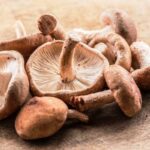
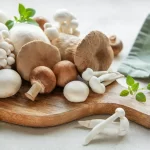
In the global culinary conversation, few ingredients have proven as adaptable—or as democratic—as mushrooms. They transcend borders, easily slipping into the spice-laden gravies of India, the delicate sauces of France, and the fiery stir-fries of East Asia. Today, mushrooms are not merely an ingredient but a cultural bridge—uniting global cuisines through their shared love for depth, texture, and umami.
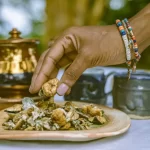
India, with its vast diversity of food traditions, has found countless ways to integrate mushrooms into both regional and fusion dishes. A decade ago, ordering “Mushroom Biryani” or “Mushroom Korma” might have drawn puzzled looks; now, they’re menu staples from roadside dhabas to gourmet restaurants. Chefs are exploring crossovers—like Mushroom Butter Masala pasta, Tandoori Mushroom tacos, and Thai-style Mushroom Curry with coconut milk and curry leaves. What was once exotic has become familiar, and what was once local now carries international flair.
Globally, this fusion has gone both ways. Indian flavors—garam masala, turmeric, and cumin—are increasingly used by Western chefs to season their mushroom-based dishes. Vegan cafés in London and New York now feature “Indian Spiced Mushroom Toast” or “Curry Mushroom Risotto,” while Japanese fusion restaurants experiment with portobello masala sushi rolls. Mushrooms serve as the perfect canvas for such creativity: their mild, earthy profile soaks in spices and sauces without overpowering them.
The scientific reason behind this versatility lies in mushrooms’ umami compounds—glutamates and ribonucleotides—which interact synergistically with savory seasonings. In Indian cooking, this amplifies flavors of onions, tomatoes, and spices, adding restaurant-style depth to home dishes. It’s also what makes mushrooms an ideal substitute for meat in fusion recipes, appealing to vegetarians and flexitarians alike.
The rise of food media and global travel has accelerated this cross-pollination. Instagram reels of street food chefs in Delhi making Mushroom Shawarma or Seoul-inspired Gochujang Mushroom wraps show how culinary boundaries are dissolving in real time. For younger Indian consumers, such dishes symbolize cosmopolitanism—rooted in local flavor but global in imagination.
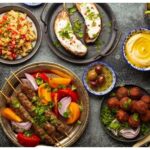
From a broader perspective, mushroom-based fusion is more than a trend—it represents a global food philosophy that celebrates adaptability, sustainability, and shared taste experiences. Whether it’s a bowl of Cream of Mushroom Soup reimagined with Indian spices or a Mushroom Fried Rice infused with Schezwan sauce, the ingredient continues to prove that good food needs no passport.
Mushrooms remind us that in cuisine, as in culture, connection often begins when differences blend. And that’s a recipe the whole world seems eager to share.
References: BBC Good Food Asia (2024); Indian Culinary Forum Journal (2023); “Global Food Fusion Trends,” Mintel Report (2024).

Leave a Reply