

Mushrooms are universal—found in forests, fields, markets, and medicine cabinets across the globe. They’ve been part of human culture for centuries. But different countries celebrate mushrooms in their own unique ways—through cooking, traditional medicine, and spiritual rituals. Let’s take a journey and explore how mushrooms are used and revered around the world.
Japan is a mushroom powerhouse—both in culinary use and in research.
Popular Varieties:
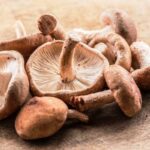
Shiitake: Meaty texture and immune-boosting compounds.
Enoki: Delicate, crunchy, and often added to soups and hot pots.
Maitake: Tasty and supports blood sugar and immunity.
Reishi (Lingzhi): Revered in traditional medicine for longevity and vitality.
Fun Fact: Mushrooms like matsutake are considered luxury delicacies and can fetch hundreds of dollars per pound.
In Traditional Chinese Medicine (TCM), mushrooms have been used for over 2,000 years.
Medicinal Staples:
Reishi (Lingzhi): A symbol of immortality and spiritual power.
Cordyceps: Originally found on caterpillars, used to boost energy and respiratory function.
Wood Ear & Silver Ear: Used in soups for skin health, immunity, and lung nourishment.
Cultural Note: Mushrooms are often found in tonics, teas, and even desserts for their health-enhancing effects.
Italians love their mushrooms, especially in rustic cuisine.
Stars of the Table:
Porcini: Earthy, nutty, featured in risottos, pasta, and soups.
Truffles (though not technically mushrooms): Highly prized and shaved over gourmet dishes.
Foraging Culture: In many Italian regions, mushroom foraging is a beloved tradition passed down through generations.
In French cuisine, mushrooms are elevated to art.
Classics:
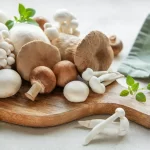
Champignon de Paris (button mushrooms): Used in sauces and quiches.
Morels & Chanterelles: Wild mushrooms with deep flavor, used in creamy sauces and with meats.
Truffles: Luxury fungi found in regions like Périgord and Provence.
Culinary Vibe: French chefs treat mushrooms with reverence, adding depth and elegance to dishes.
Mushrooms are a staple in the Russian diet, especially in rural areas.
Common Practices:
Foraging wild mushrooms in the forests (boletus, chanterelles, milk caps).
Preserving mushrooms through pickling, drying, and salting.
Cultural Note: Mushroom picking is a national pastime, and recipes for marinated mushrooms are family treasures.
Mushrooms in Mexico are both culinary and sacred.
Types Used:
Wild mushrooms like escobetas, duraznillos, and hongo azul are used in indigenous cuisines.
Psilocybin mushrooms (“magic mushrooms”) have been used in ceremonial contexts by indigenous groups like the Mazatec.
Spiritual Side: Mushrooms were called “flesh of the gods” by the Aztecs and used in religious rituals long before the Spanish arrived.
In the U.S., mushrooms have surged in popularity—from gourmet cuisine to functional wellness.
Trendy Mushrooms:
Lion’s Mane: Popular for brain-boosting properties.
Chaga & Cordyceps: Common in functional drinks and supplements.
Psilocybin: Undergoing research and decriminalization efforts for mental health treatment.
Booming Industry: Mushroom coffee, protein powders, and supplements are now part of the modern wellness wave.
Africa: In countries like Nigeria and Ghana, wild mushrooms are foraged and used in stews and traditional medicine.
India: Used in Ayurvedic medicine and gaining popularity as a vegetarian protein source.
Thailand: Popular varieties like straw mushrooms are key ingredients in spicy curries and soups.
Finland & the Nordic Region: Chanterelles and boletus are commonly foraged; mushrooms are preserved for winter.
From sacred rituals to fine dining, mushrooms have woven their way into the fabric of cultures worldwide. They symbolize the perfect blend of nature, nourishment, and healing.
Whether you’re sipping a lion’s mane latte or enjoying a plate of wild mushroom risotto, you’re partaking in a global tradition rooted in ancient wisdom.

Leave a Reply